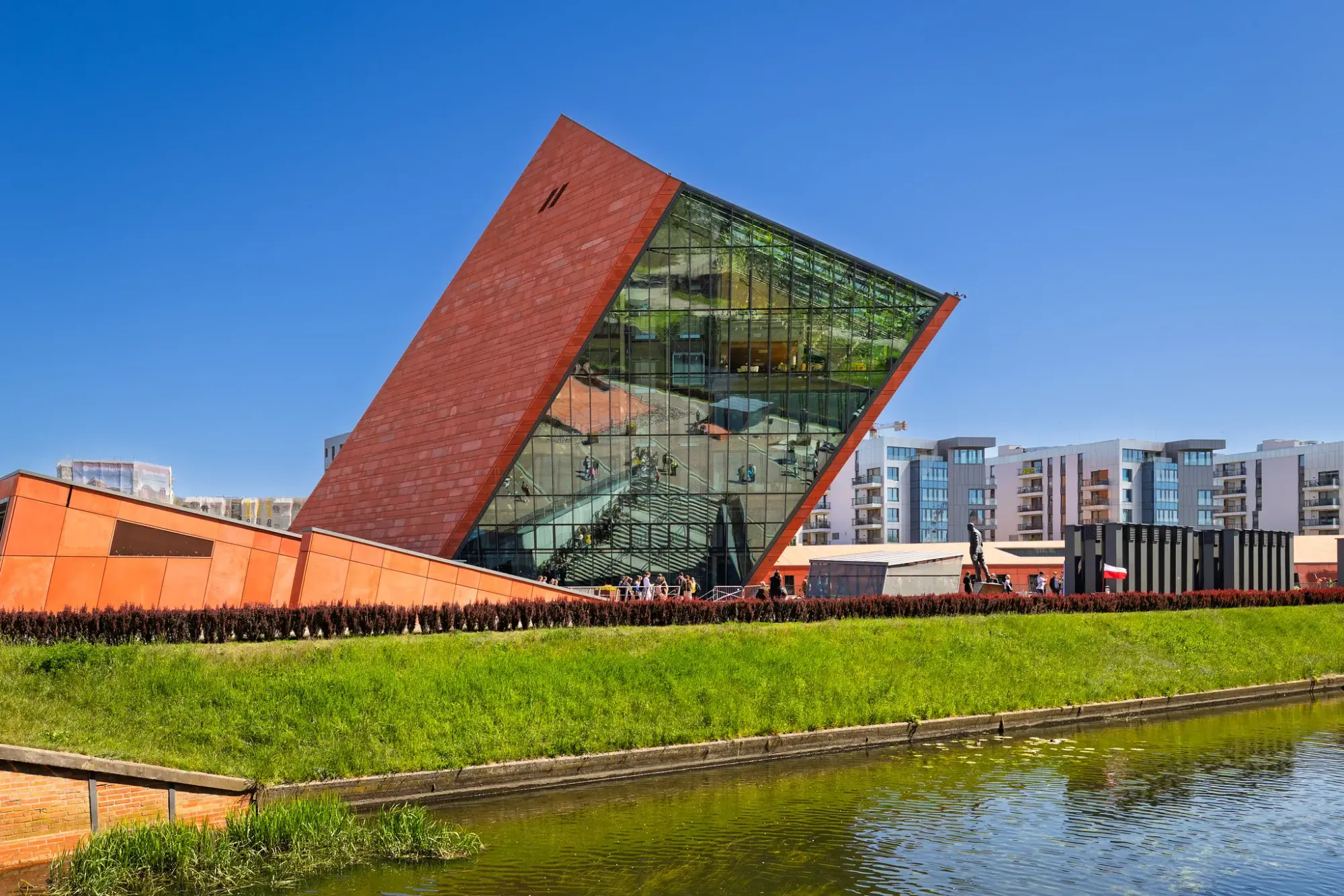
During my visit to Gdańsk in 2025, I stopped at the Museum of the Second World War. Even before stepping inside, the building grabbed my attention. Designed by Studio Architektoniczne Kwadrat, winners of an international competition in 2010, the structure is bold and unsettling — its sharply angled form slices upward from the earth like a wound. The leaning tower seems to rise from underground, symbolizing the rupture of war and the tension between past and present. The architecture spoke louder to me than the exhibits inside.
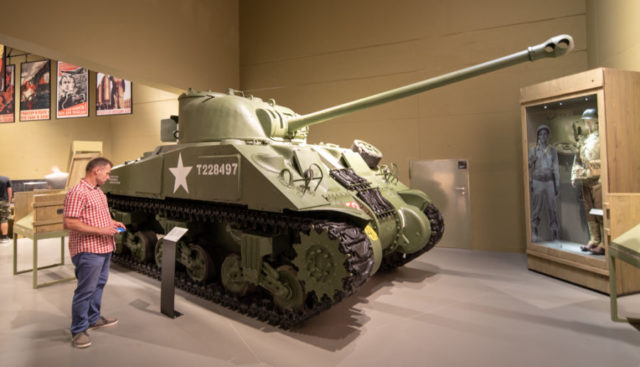
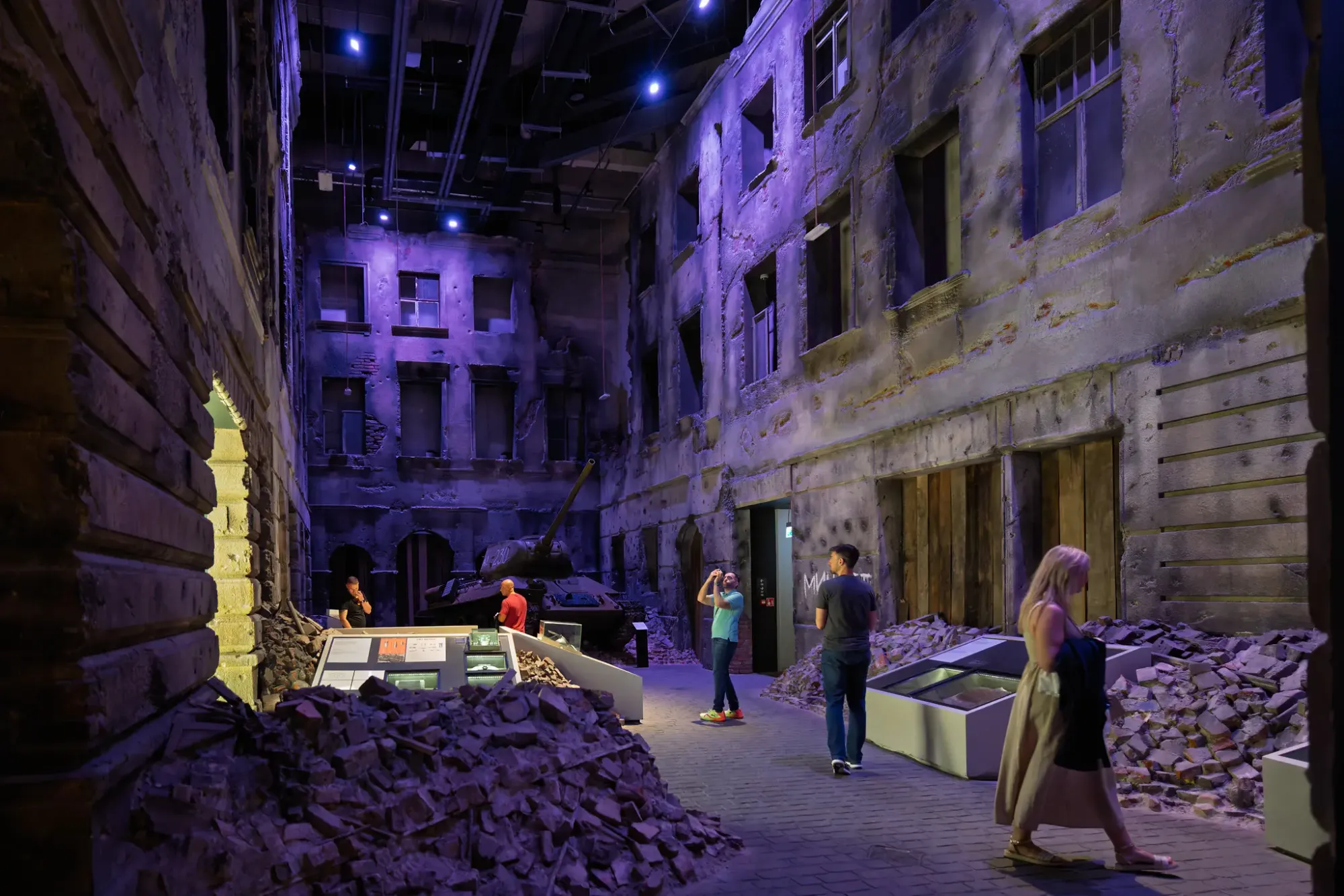
The answer to the question I came with — how does Poland tell the story of World War II? — turned out to be complicated. The museum presents a deeply Polish view of the war, understandably so: Poland was invaded and brutalized by both Nazi Germany and the Soviet Union. The exhibition highlights this trauma and the bravery of the Polish people. But as a resource on broader wartime history or its moral complexities, I found it less impressive.
What wasn't there mattered as much as what was. Polish antisemitism before, during, and after the war is barely addressed. The role of Polish collaborators and bystanders in the persecution of Jews is downplayed or ignored. The narrative leans heavily into Polish heroism and victimhood, avoiding harder truths that also belong to the historical record.
This criticism isn’t mine alone. When the museum opened in 2017, it was widely praised for its inclusive, civilian-focused narrative. Historian Timothy Snyder called it "perhaps the most ambitious museum devoted to World War Two in any country." But soon after, the Law and Justice Party (PiS)-led government began reshaping its direction. Minister Piotr Gliński dismissed founding director Paweł Machcewicz. In response, a group of 500 international historians and academics signed an open letter condemning the government's actions as an "unacceptable, even barbaric interference," accusing the state of trying to turn the site into a "propaganda institution."
By contrast, the POLIN Museum of the History of Polish Jews in Warsaw confronts Polish complicity, antisemitism, and the full arc of Jewish life in Poland — including the violent aftermath of the war. At POLIN, the hard questions aren't avoided; they're the organizing principle. Walking through it, I understood not just what happened but how Poles and Jews lived alongside each other for a thousand years before it did.
I left the Gdańsk museum understanding more about how Poland sees World War II — and less about the war itself. The building is worth the visit. The exhibition is a window into national memory, shaped by politics and selective storytelling — which is itself worth knowing. But it is not a place to begin if you want the fuller, harder truth.
 Cameron Hewitt