In May 2025, I visited Częstochowa, Poland — the city where my father once walked as a young man before World War II. He was born in Kamyk, a small village nearby, into a Jewish family of modest means. His father, like many Jewish men in Kamyk at the time, was a butcher. Before the war, my father would travel to Częstochowa to sell souvenirs of the Black Madonna to pilgrims visiting the Jasna Góra Monastery.
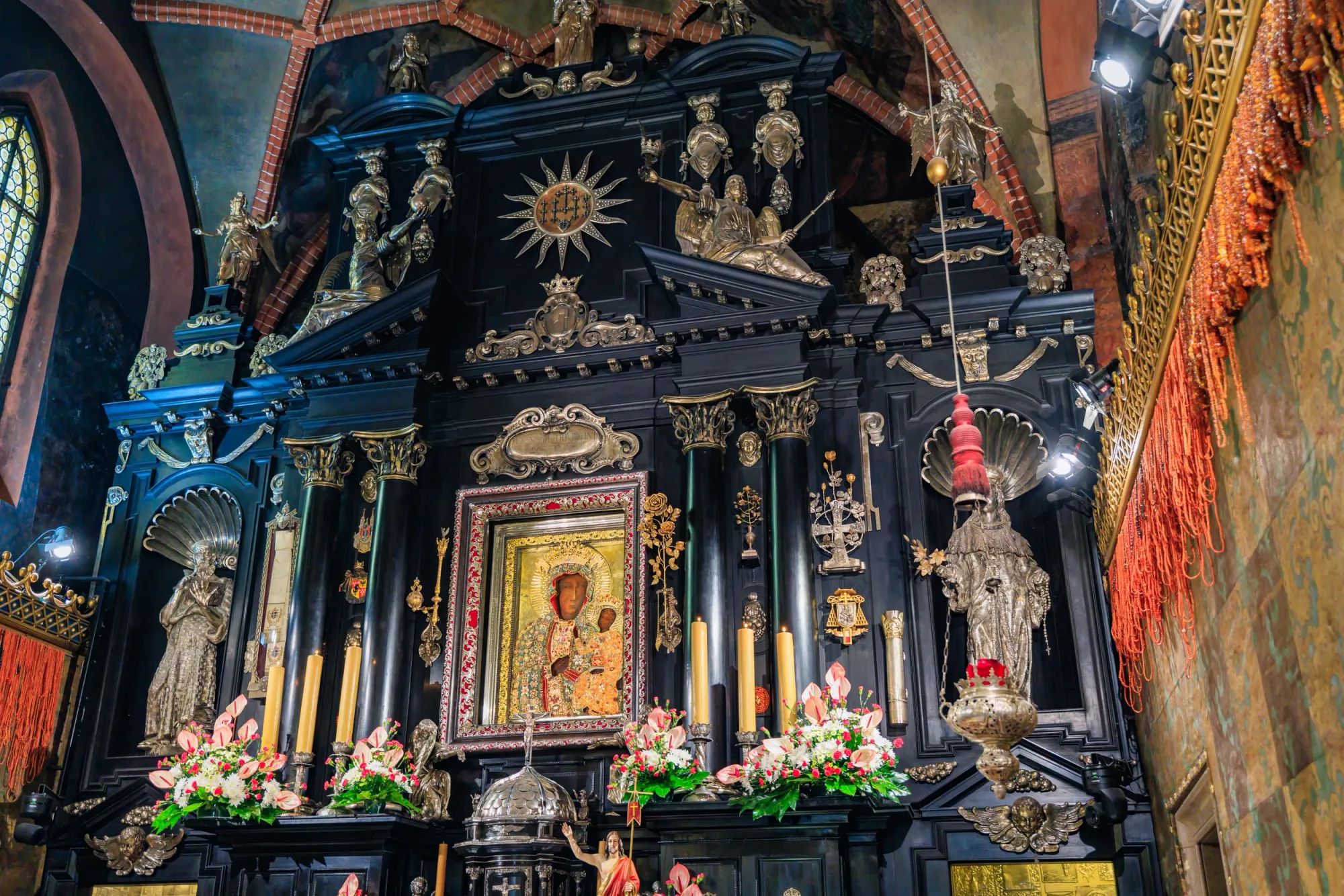
Over 80 years later, I walked those same streets with my camera. Much has changed, and much has not.
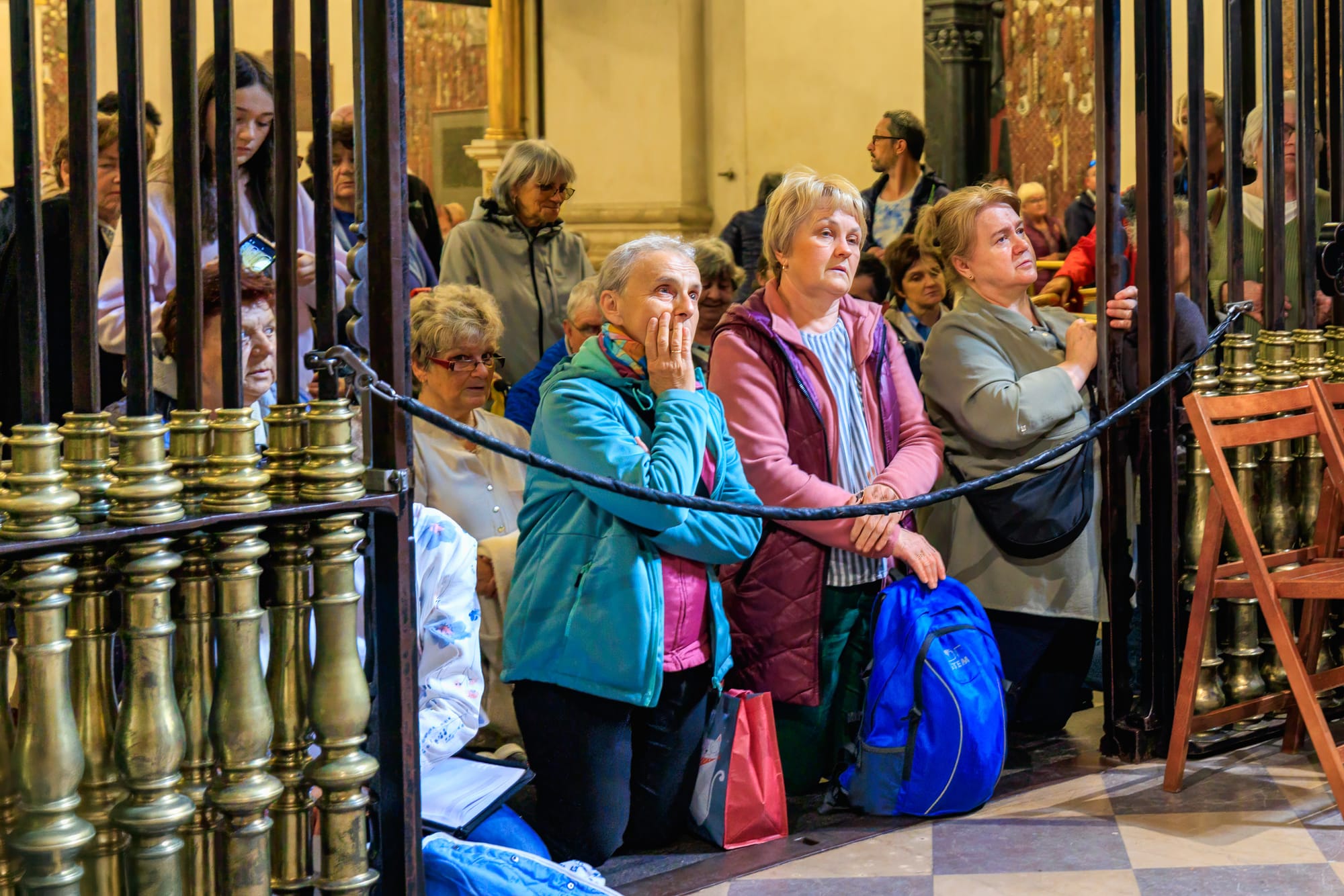
The crowds still come. At Jasna Góra, I watched as worshipers kneeled, prayed, and wiped away tears in front of the Black Madonna — a 14th-century icon believed by many to have miraculous powers. No photograph can truly capture the intensity of devotion in that room — but I tried.
But just outside the monastery's walls, the contrast is striking.
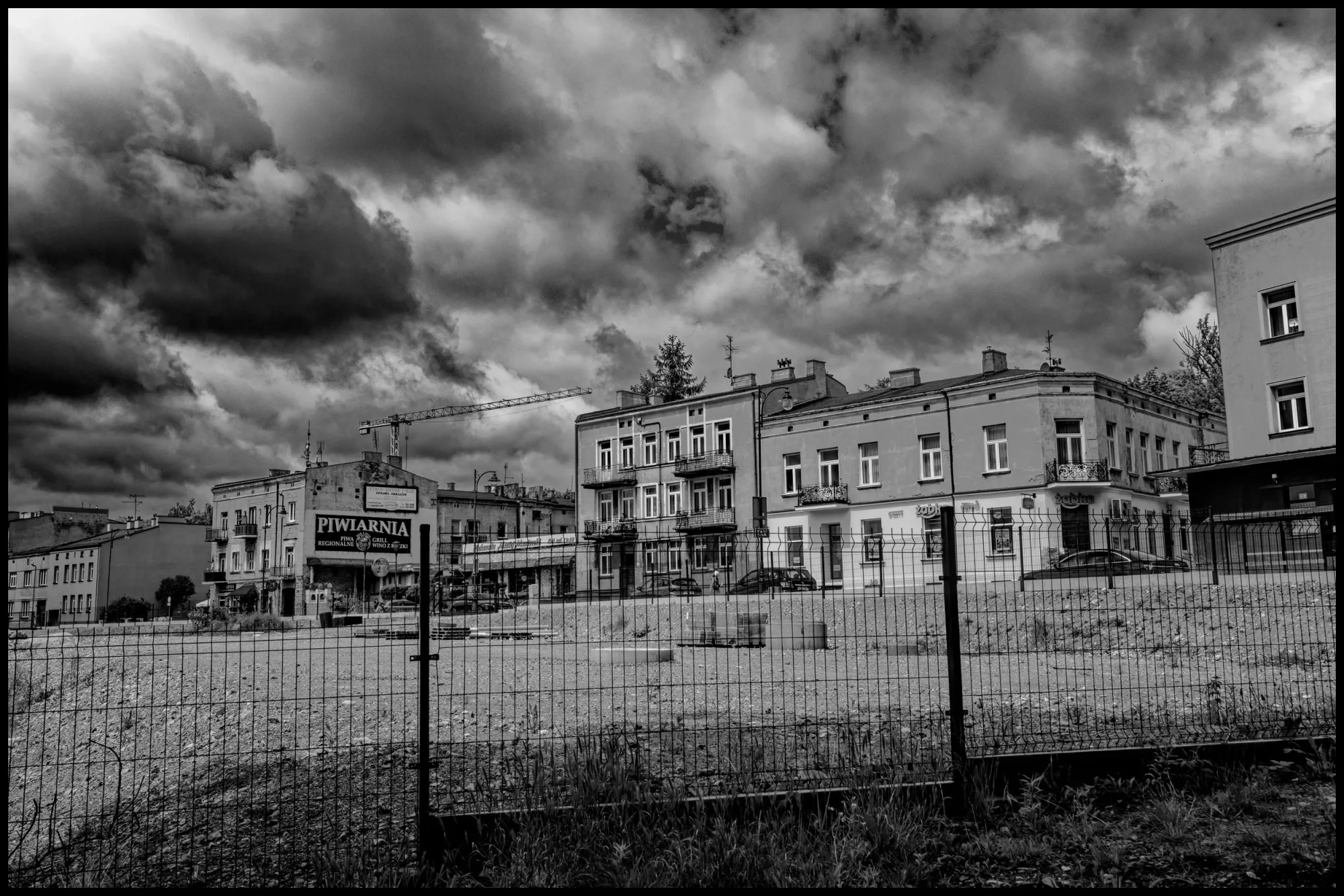
I don't know exactly where my father stood. But I walked where he walked — on some of the same cobblestones, past buildings he might have passed and beneath the same sky.